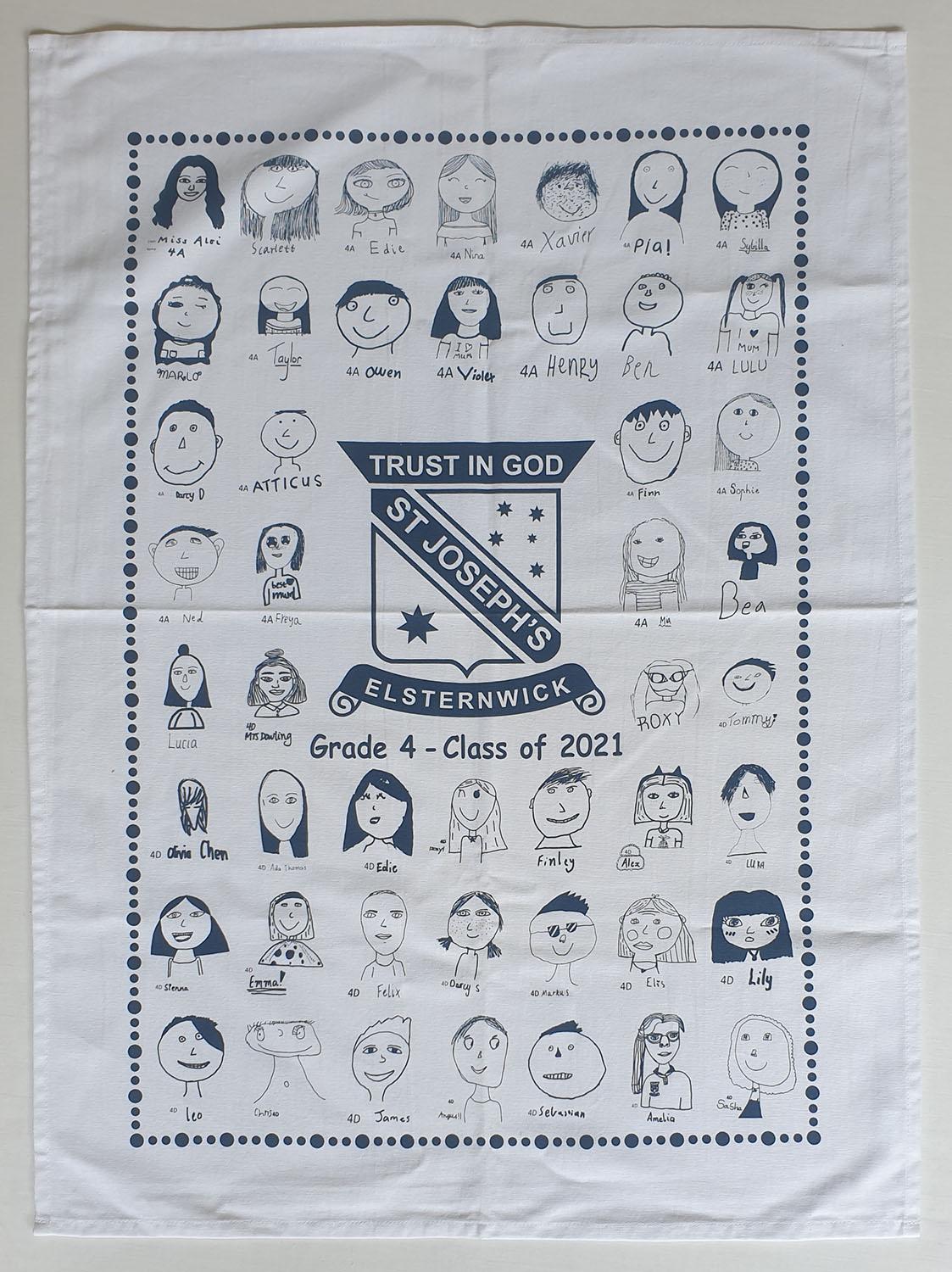
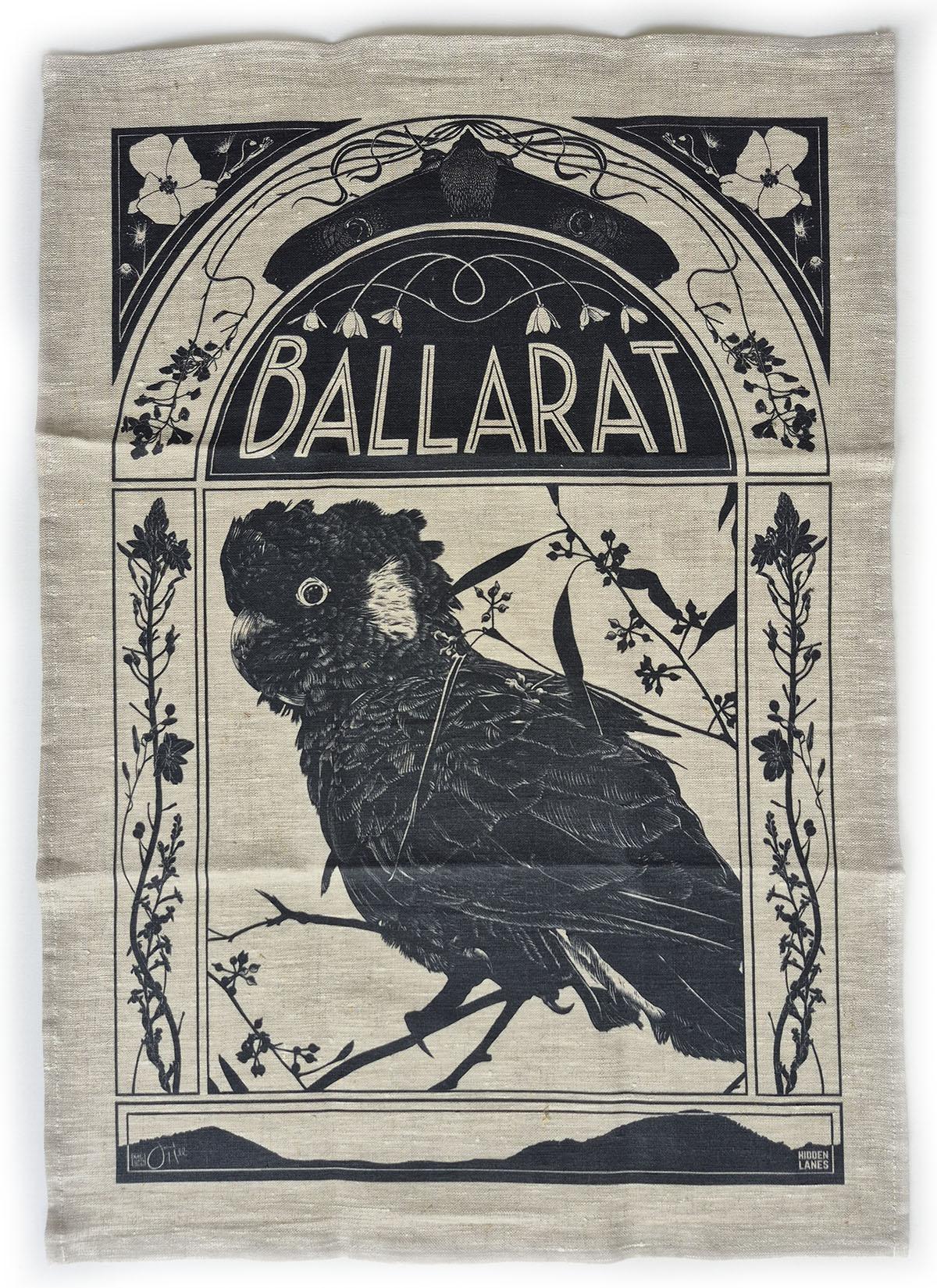
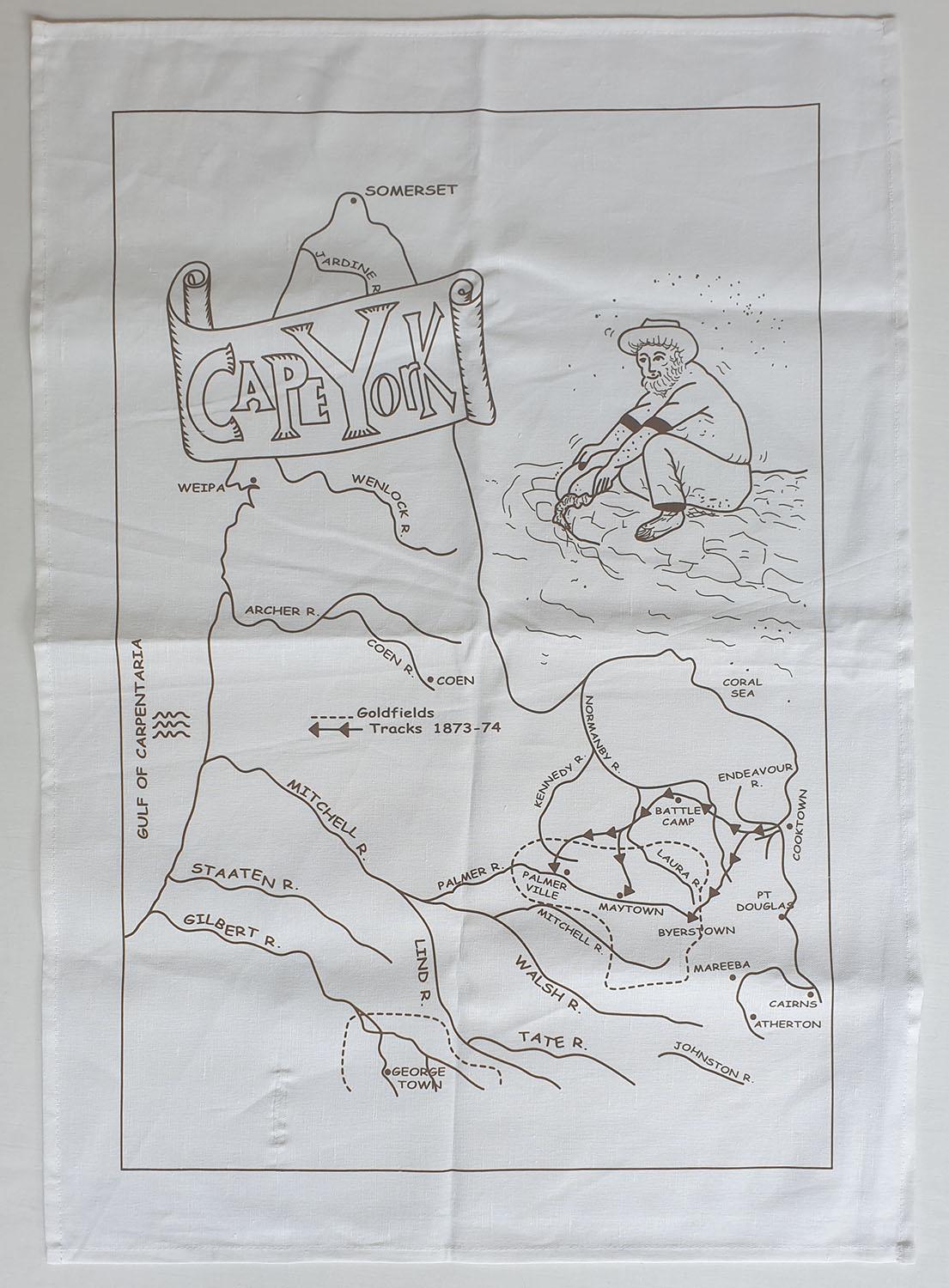
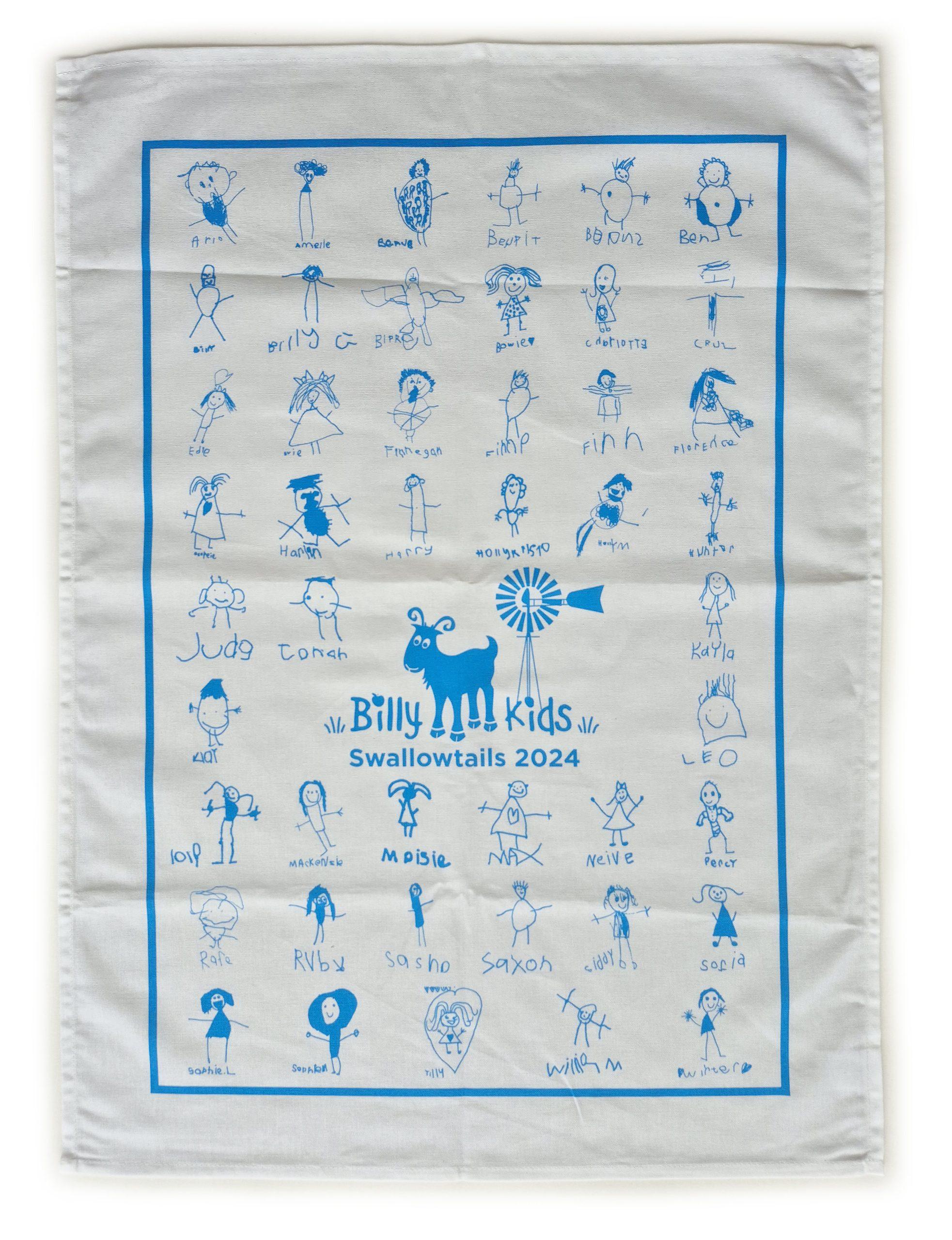
Most fundraising articles, including most of what we say on this site, recommend ordering only what you can sell and not more. Don’t end up with a box full stashed in a cupboard.
That advice is right for a school or a club that’s running the same fundraiser every year. It’s wrong for a memento, and here’s why.
A reunion happens on one Saturday. A centenary happens once. A farewell for someone happens the week they leave.
When the day is over, it doesn’t come back, and the people who missed out are usually the ones who cared most about being there.
So the rules are reversed. For a one-off occasion, printing extra can make a big difference to the profit margins.
Why Over-Ordering Costs Less Than You Think
It’s in the price tiers, and most people never look at them closely enough to notice.
| Print bill | What the next 50 cost | |
|---|---|---|
| 50 towels | $490 | |
| 100 towels | $800 | $375 |
| 150 towels | $975 | $175 |
| 200 towels | $1,160 | $185 |
The table is a guide only. Prices are indicative and accurate as of September 2026
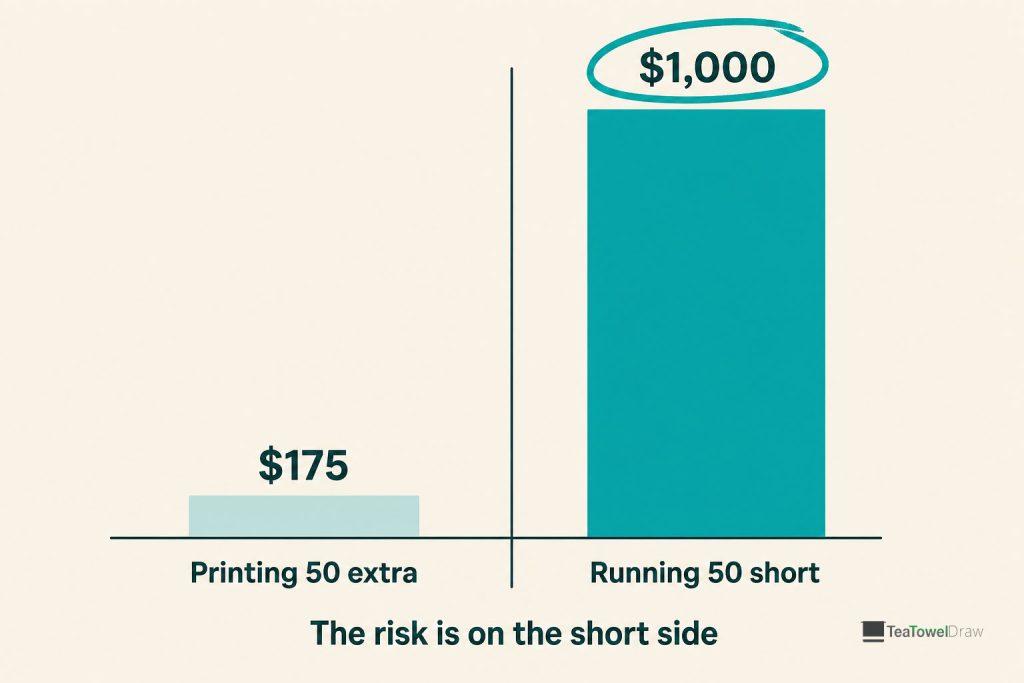
Once you’re past 100, adding fifty to the order costs another $175. That’s $3.50 each, against the $8.00 each you pay for the first 100.
The tier drops across the whole order, not just the extra ones, which is why the marginal cost falls off a cliff.
Now the other side. Fifty people who wanted one and couldn’t, at a $20 sale price – that’s $1,000 of sales that will never happen. There’s no second print run costing $490 – for an event that’s already taken place.
$175 to have them against $1,000 to not have them. Roughly six to one, and it sells itself.
The usual objection is leftovers, and on a memento it’s not always the case. A centenary towel is not dated the way an end-of-year class towel is.
It keeps selling at the next event, from the office, and to people who hear about it afterwards and ask. Whereas printing fifty extra leaves you a box in a cupboard that slowly empties.
Printing fifty too few is the part people remember.
Half Your Buyers Are Not in the Room
The other thing that differentiates a one-off from a regular fundraiser is where the buyers live.
A school fete sells to the people at the fete. A reunion sells to everyone who was ever there, including those who moved away.
A centenary reaches people whose parents went to the school. A memorial reaches family interstate.
That changes the job from selling to distributing.
- Collect orders before the event, not only on the day, so you know roughly what the dispersed half wants
- Price postage separately and honestly rather than absorbing it, because someone posting to Perth expects to pay for it
- Give one person the job of packing and posting afterwards, and expect it to take longer than the selling did
- Keep the leftovers somewhere accessible, because the requests trickle in for months
This is the entire argument for the upsized print run. The people who aren’t in the room are not counted in advance, and they’re the ones most likely to want a keepsake.
Print the Event, Not the Organisation
A club milestone tea towel is about the club’s identity. A memento is about something that happened.
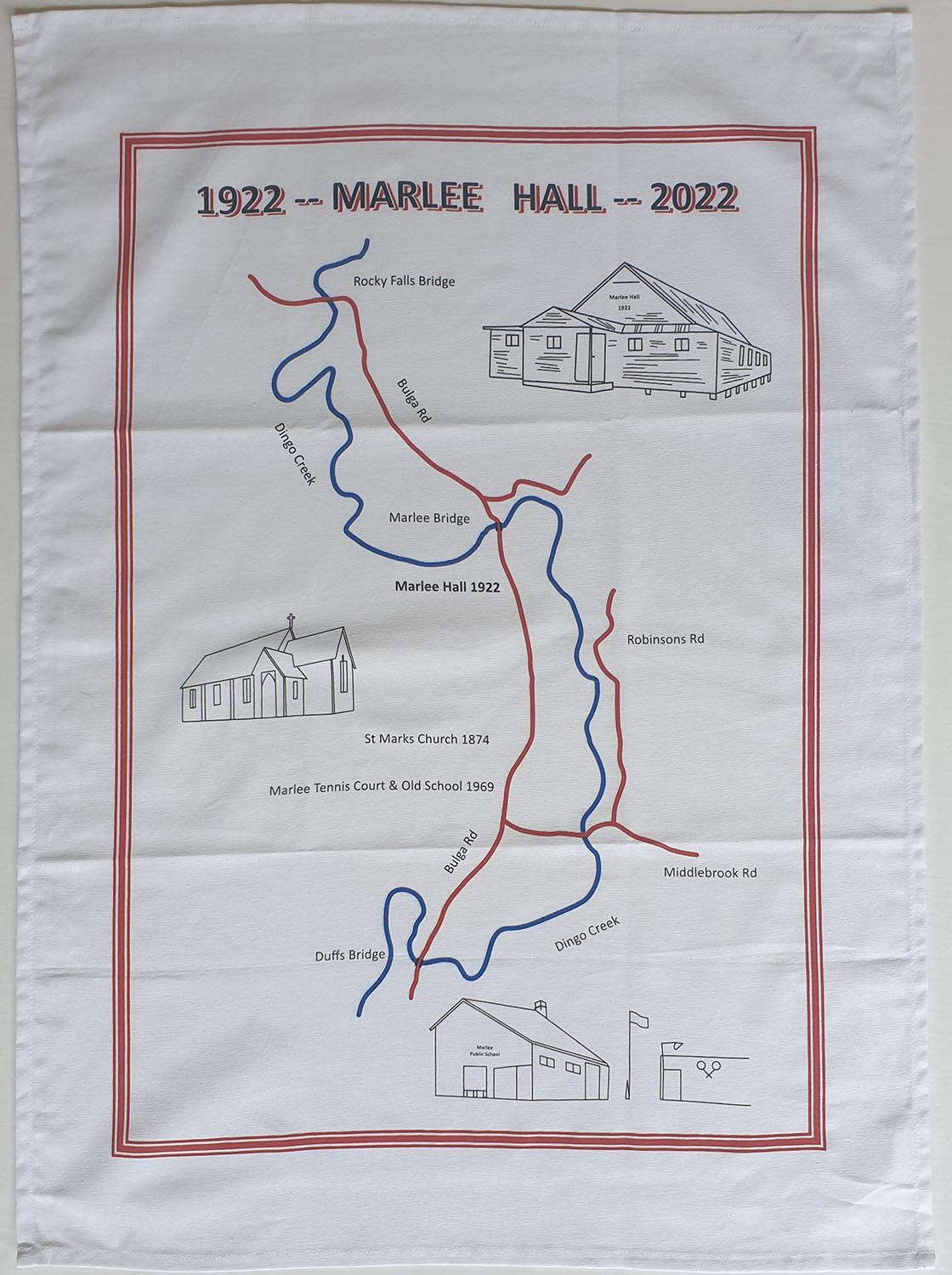
Put the event and its date on it plainly. The year, or the span of years. The name of the thing.
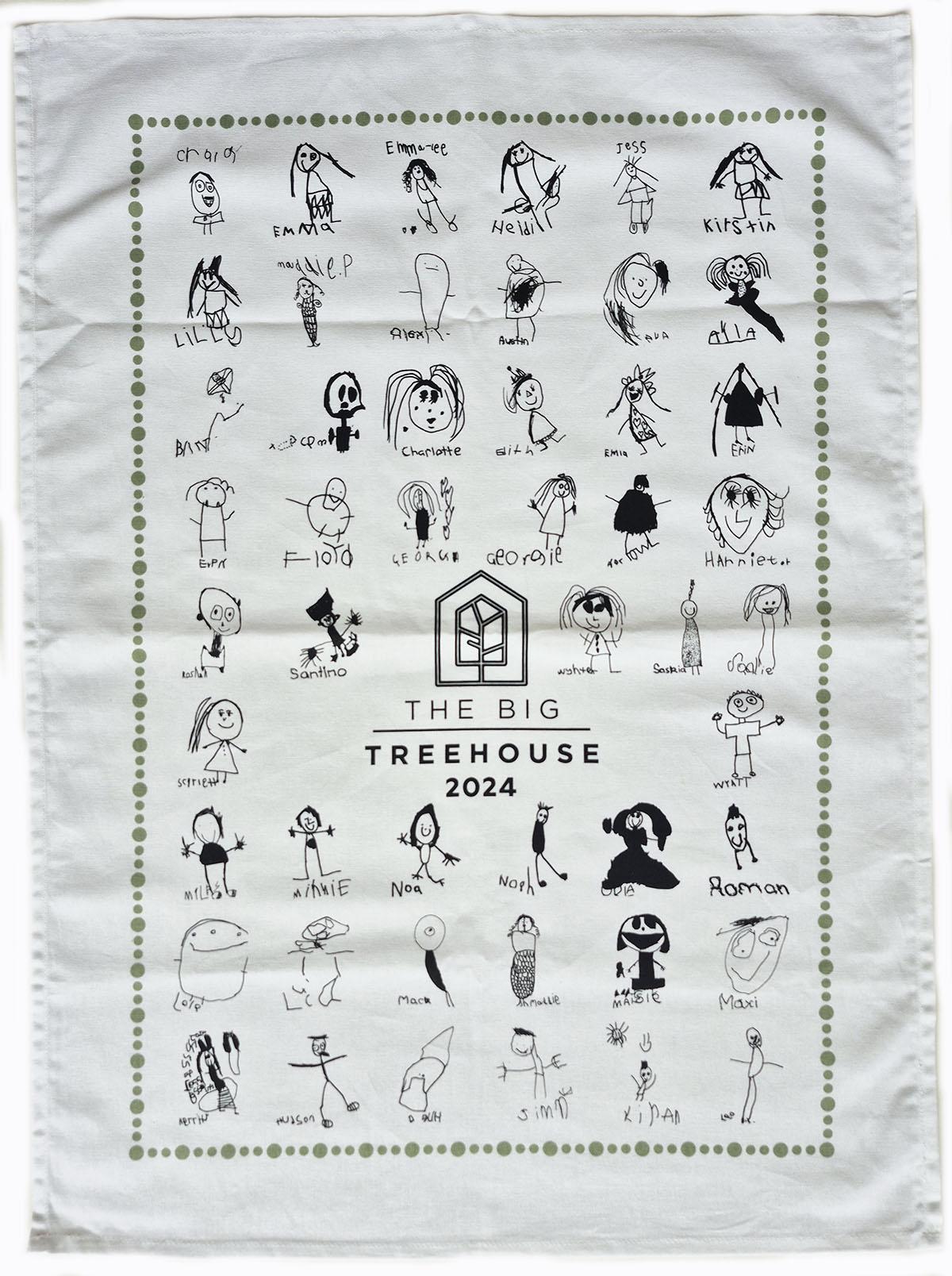
If there are names worth listing, list them, because a worthy name printed on a towel might be the reason some people buy three.
What works:
- The full year span for an anniversary, set large enough to read from across a room
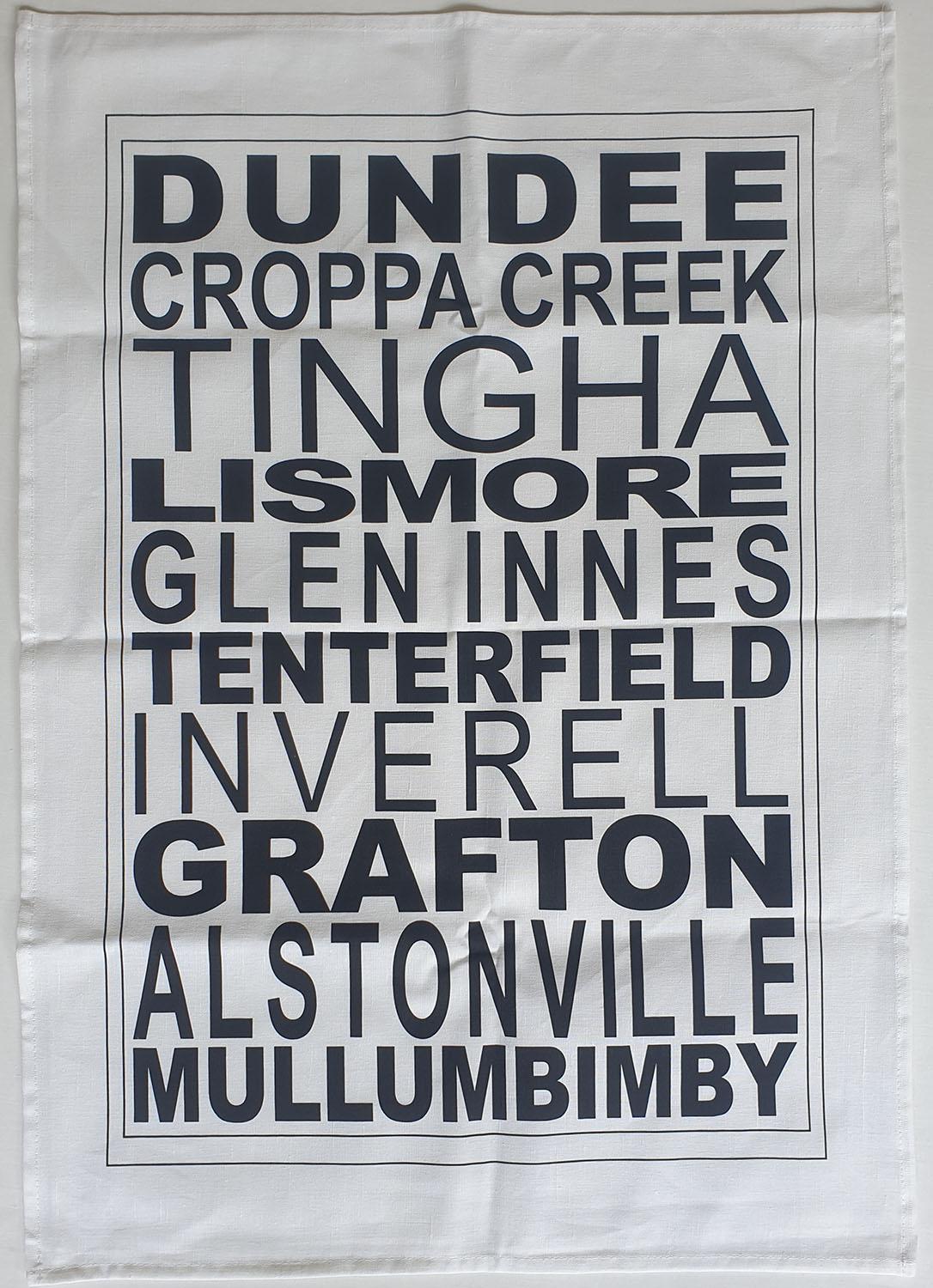
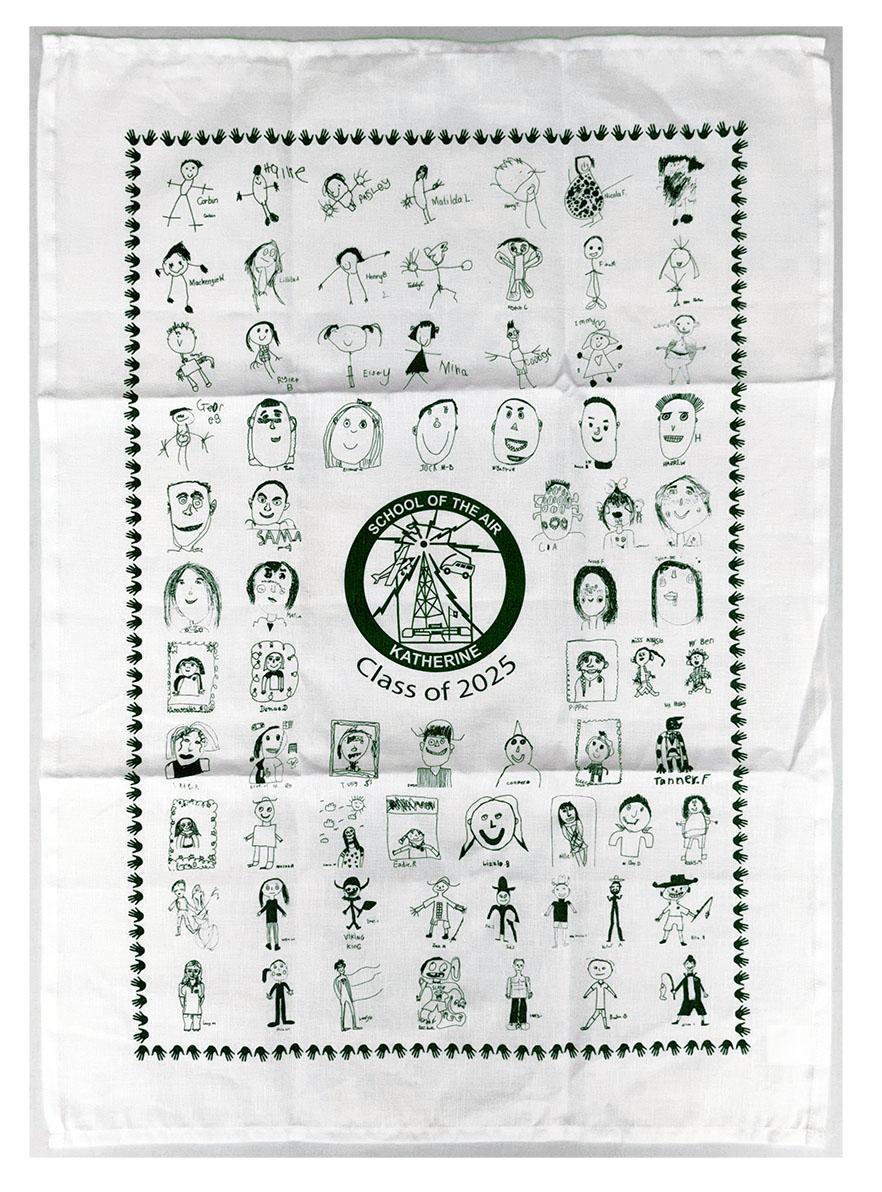
- A list of names, whether that is a graduating year, a committee, a team or a congregation
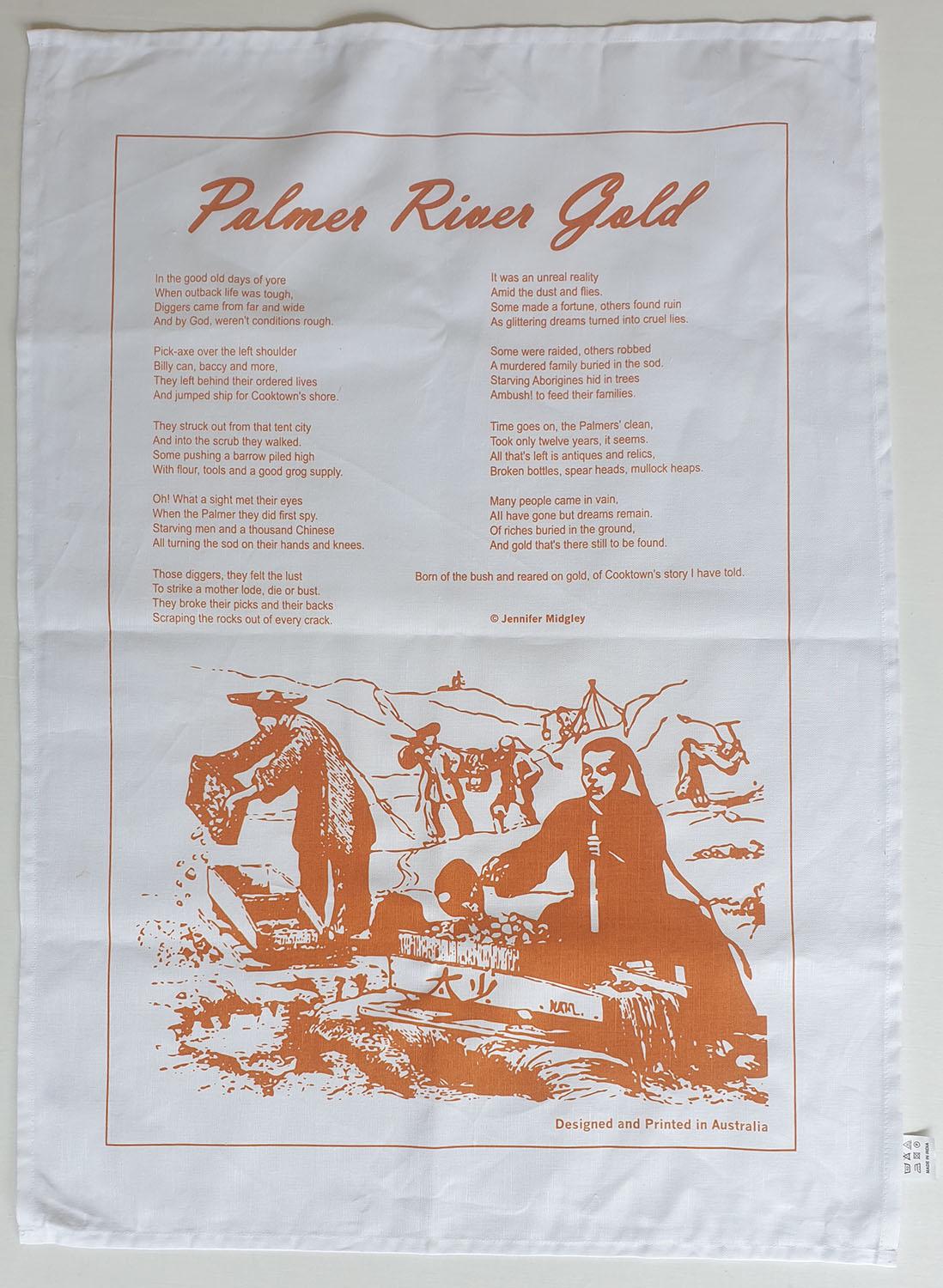
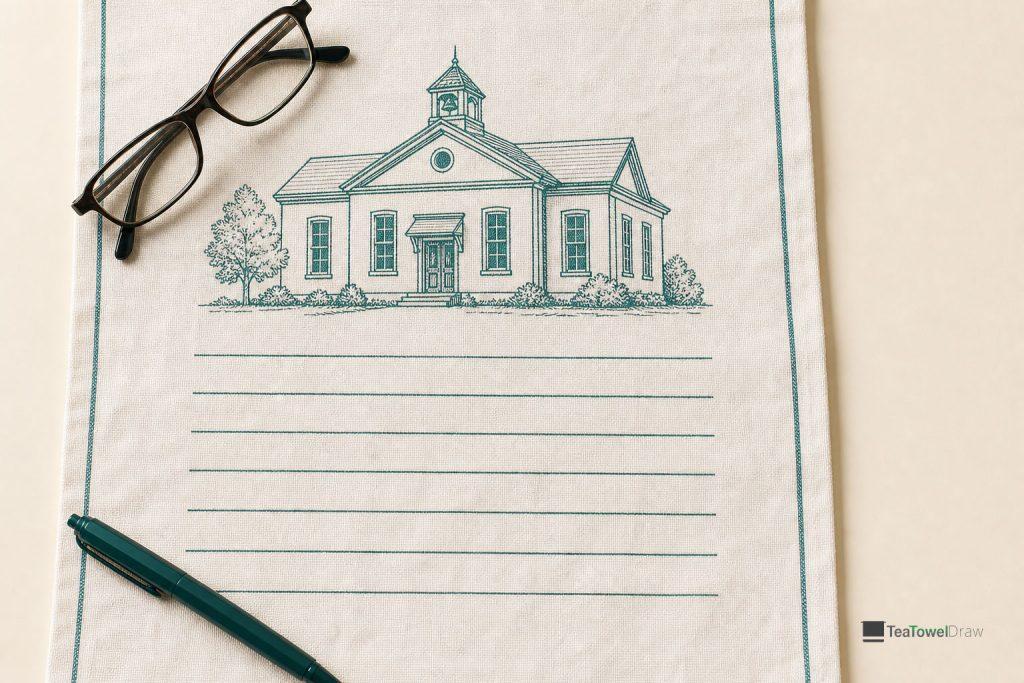
- A drawing of the building or the ground, if the place is the point
- One photograph converted to a single-colour line drawing, whereas a full photograph will cost more
Converting your design to a one-colour line drawing is the single biggest way to increase profits.
Work Backwards From the Date
Every other fundraiser type can pick their own timing. A memento can’t, because the date is already set, and that makes planning more critical.
Start from the event and work backwards. The design needs to be confirmed and approved before the order goes in, and the finished order needs to be delivered with room to spare, not the week of the event.
Build in a few weeks for the design work going back and forth, because that’s where your time actually evaporates, and it’s the step most people forget to allow for.
If the event is near Christmas, order well before it, since the December print calendar is the busiest of the year.
Orders need to be in by mid-November for Christmas delivery, and it’s worth checking the current cut-off on the site rather than relying on the date in this article.
The one thing not to do is leave the quantity decision until last, hoping for higher numbers, only to run out of time.
Check Every Name Before You Approve
On most printed jobs, a proof is a formality. On a memento with names on it, it’s everything.
We take great care to prepare the design, assemble the names, drawings or photographs into one layout, but we are not infallible. We have to send it back for approval before anything goes to print.
Check it carefully. Read it slowly. Check the spelling of every single name against a list, not from memory, and have a second person do the same.
A misspelt name on a commemorative towel cannot be fixed after the run, and it’s the thing people notice first and mention for years after.
The inks are water-based and OEKO-TEX 100 certified, which matters more for something that will be used rather than put in a drawer.
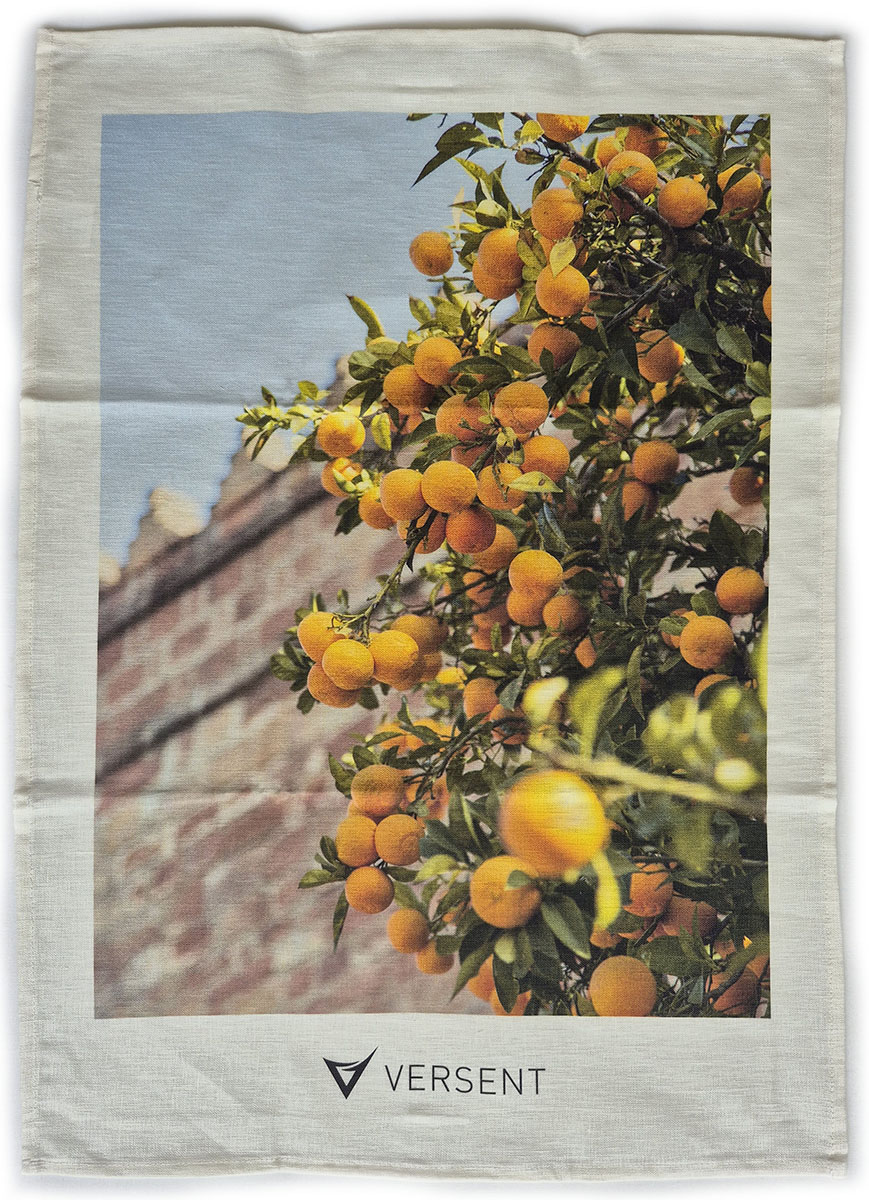
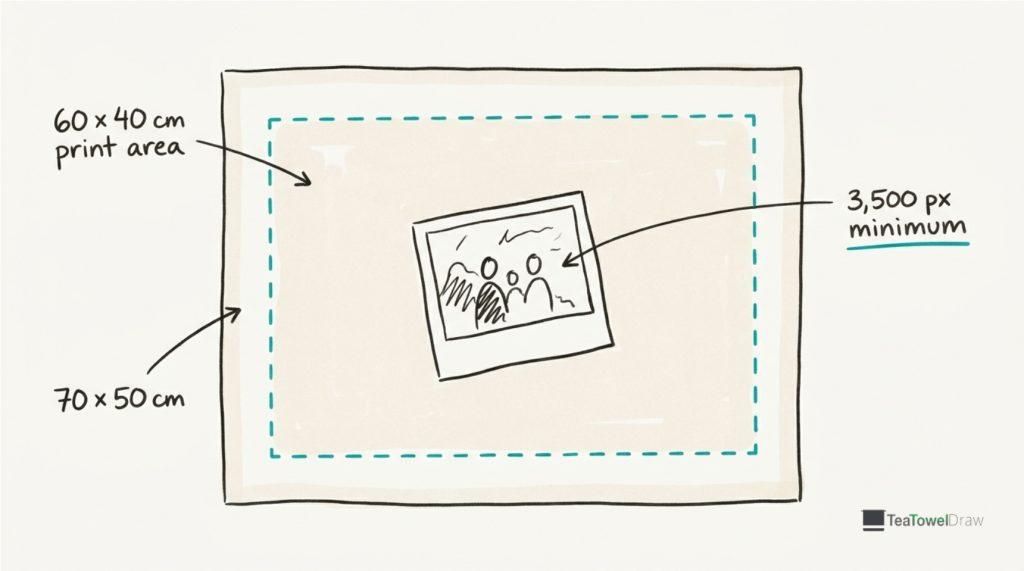
The tea towel fabric choices are 100% cotton, 50/50 cotton-linen or 100% Linen. They’re the standard size of 70cm by 50cm, with a printable area of up to 63.5cm x 43.5cm.
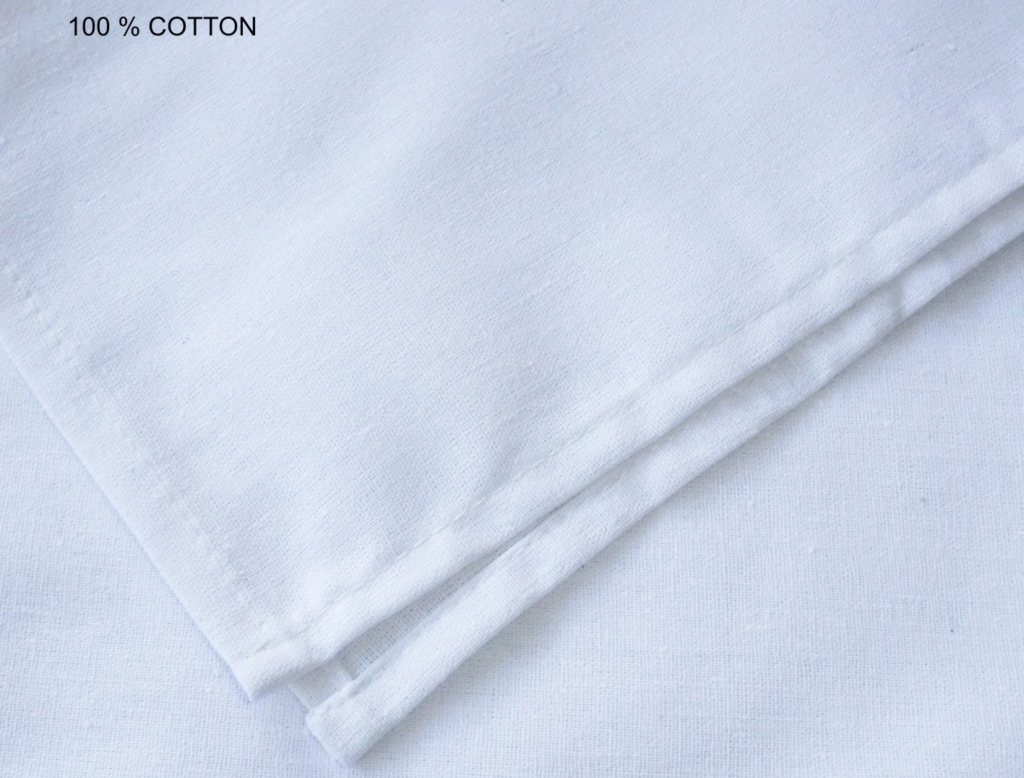
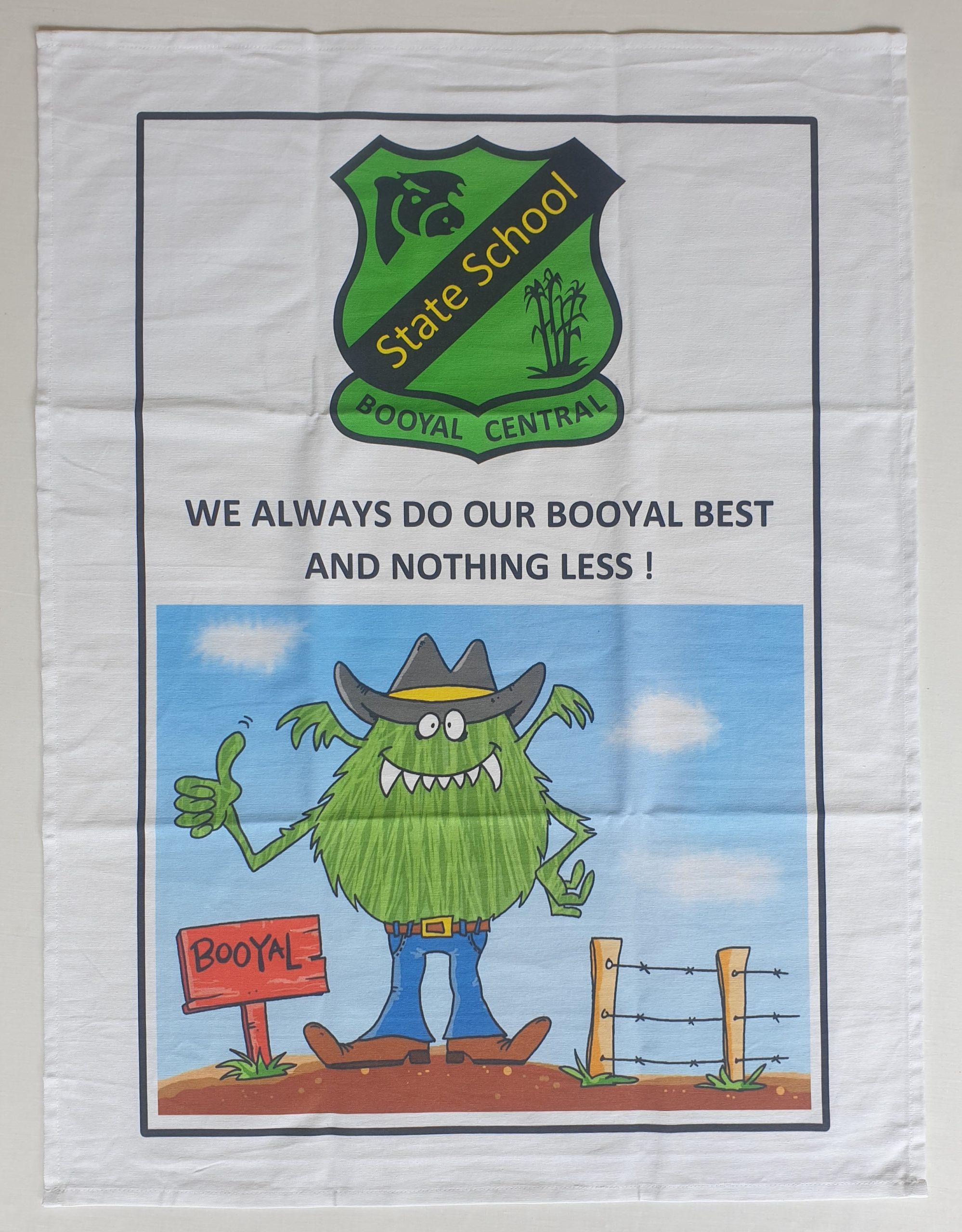
100% Cotton Tea Towels
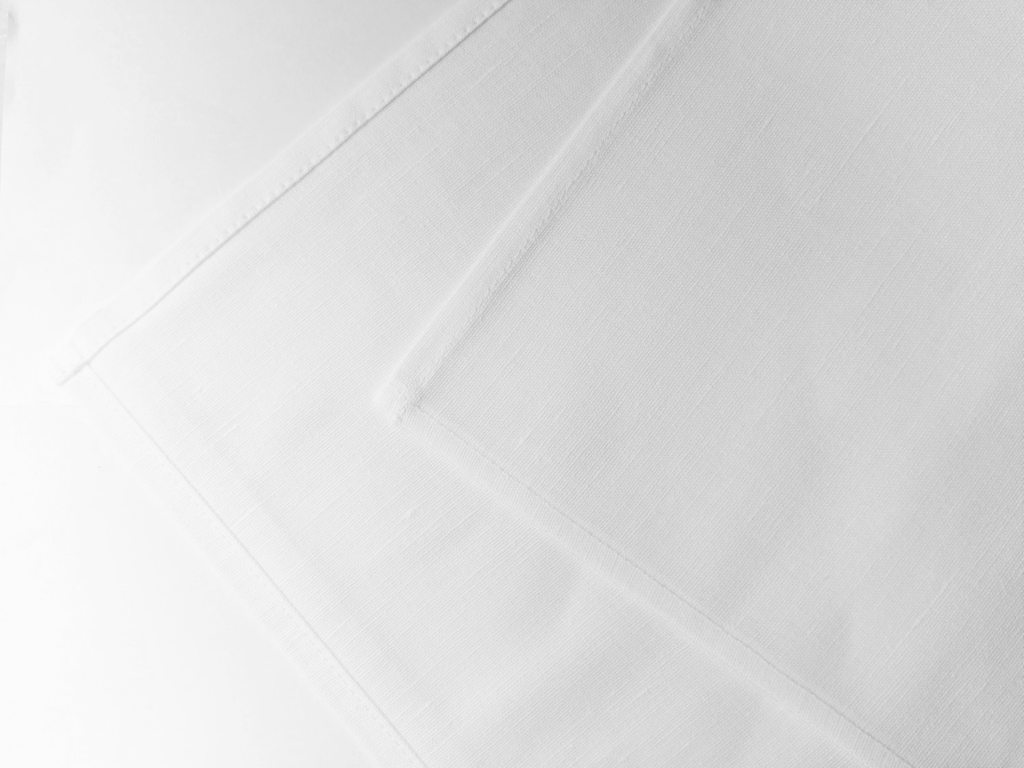
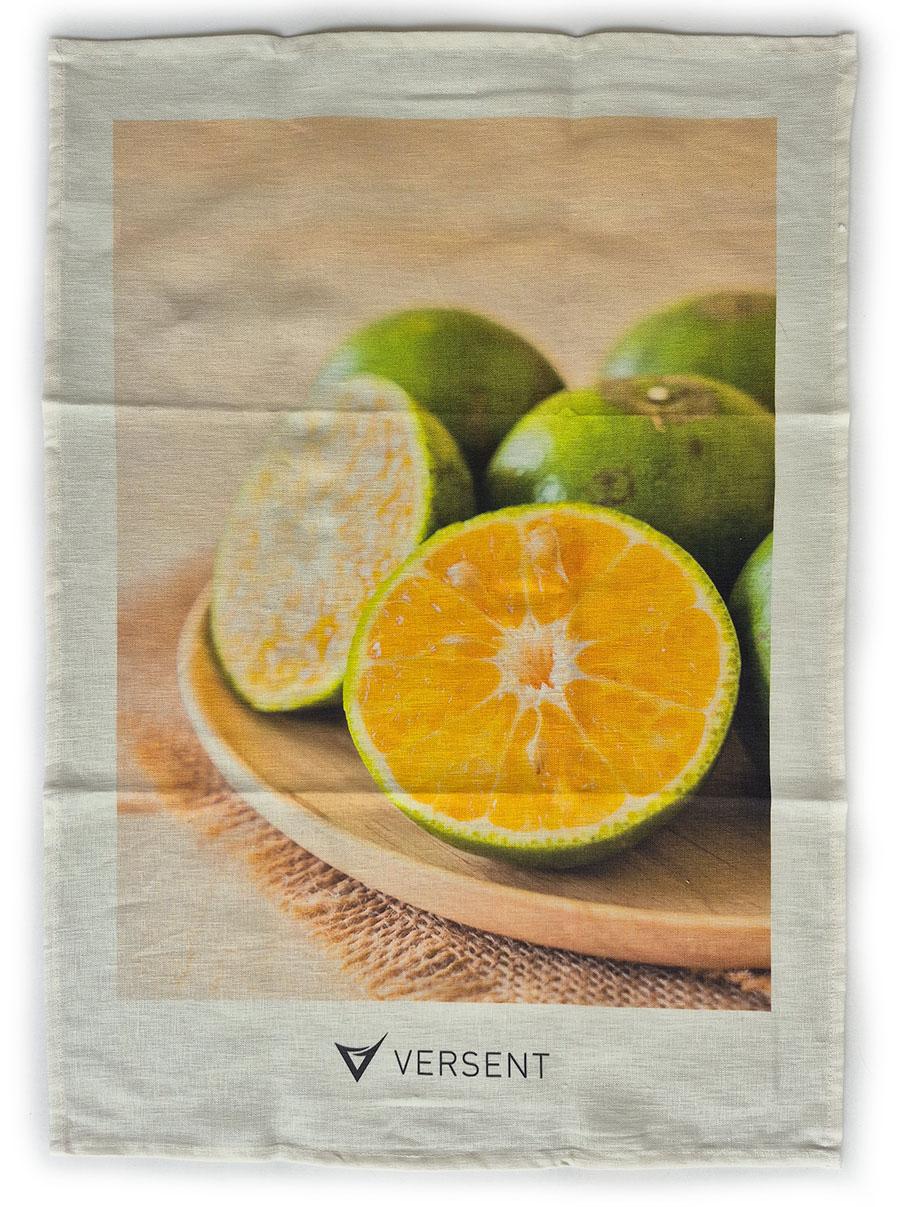
50% Cotton 50% Linen
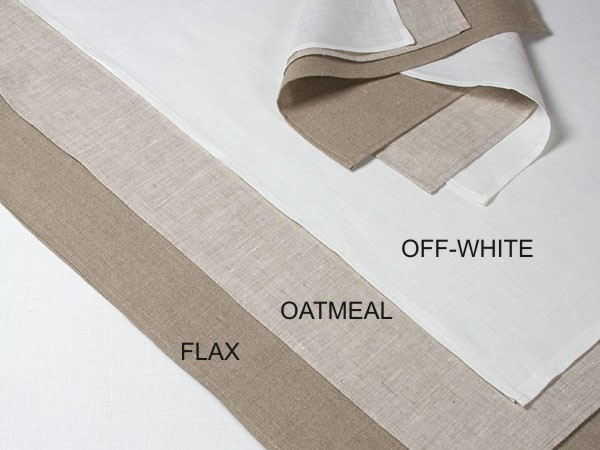
100% Linen Tea Towels
Prices and quantity tiers are published upfront, so you can budget from the start.
If your event is a regular fundraiser rather than a one-off, the approach is different, and there are pages for it: church fundraisers, clubs and organisations, and the full costs and break-even table.
For gifts and keepsakes with no fundraising attached, see personalised tea towels.
Send your idea, a rough sketch or a finished design through the quote form and we will tell you what it costs and what it will look like.
Frequently Asked Questions
How many commemorative tea towels should we print?
More than your confirmed orders. Past 100, another fifty towels cost about $175, roughly $3.50 each, while fifty people who miss out is $1,000 of sales at $20 that cannot be recovered. A memento has no second print run, so the risk sits on the short side rather than the long side.
What should go on a commemorative tea towel?
The event and its date, plainly. A year or a span of years, the name of the occasion, and a list of names if there are names worth listing. A drawing of the building or ground works if the place is the point. One photograph reduced to a single-colour line treatment prints far better than a full photograph.
Can we sell them after the event?
Yes, and on a memento you usually do. Unlike a dated class fundraiser, a commemorative towel keeps selling from the office, at the next event, and to people who hear about it later. That is part of why printing long carries less risk here than on a recurring fundraiser.
How far ahead do we need to order?
Work backwards from the event date and leave room for the proof to go back and forth, which is the step people forget. Have the towels in hand before the week of the event, not during it. If the date is near Christmas, orders need to be in by mid-November, and it is worth checking the current cut-off on the site.
What happens if a name is spelt wrong?
Nothing can be done once it is printed, which is why the proof matters more on a memento than on anything else we print. Check every name against a written list rather than from memory, and have a second person check it too, before you approve.
What are the towels made of?
A 50/50 cotton-linen blend, 70cm by 50cm, with a maximum print area of 60cm by 40cm. The weight is what makes it feel like a keepsake rather than a giveaway, which matters when the whole point is that people hold on to it.
More Fundraising Tea Towels