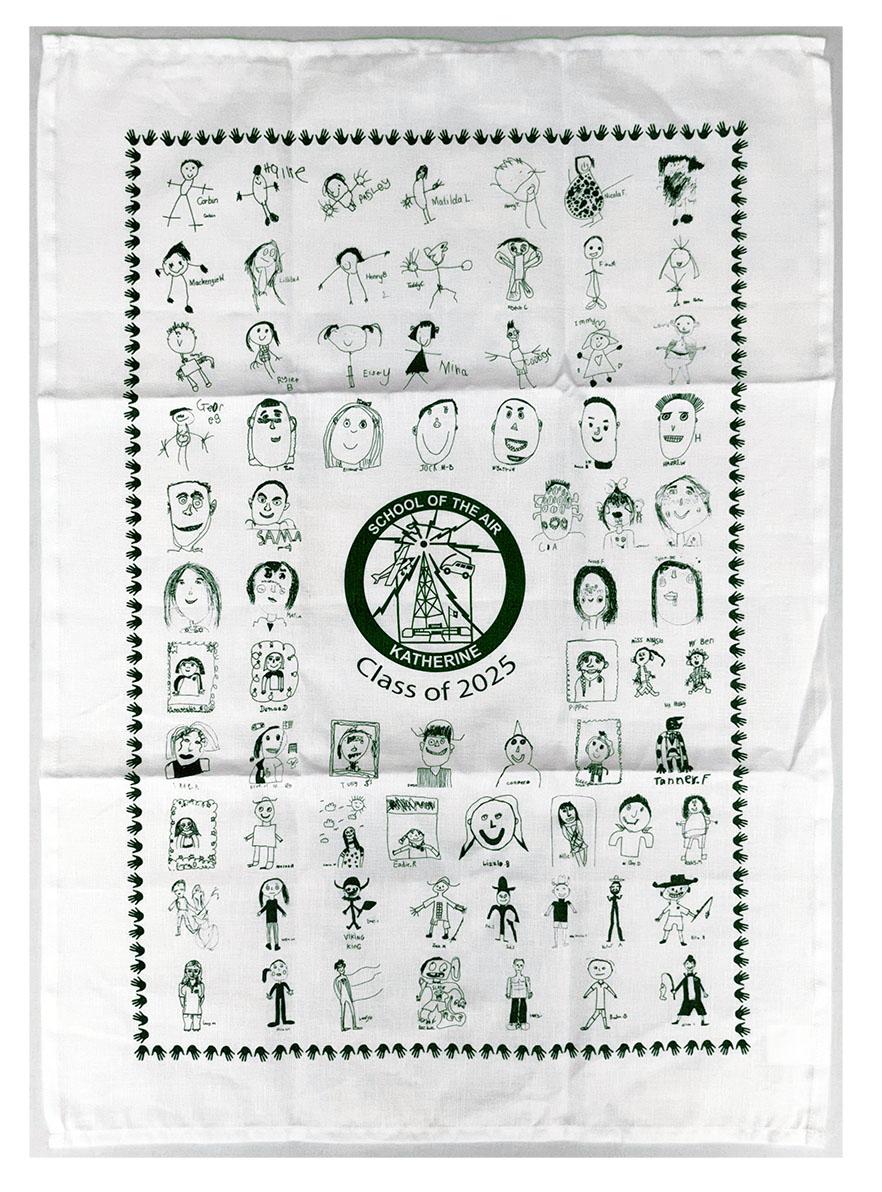
Unlike the other fundraising activities mentioned on this site, for clubs and organisations, the appeal of your tea towel will be limited to the people in your membership base.
We believe it to be true, and most fundraising advice online won’t tell you that. A netball club with 80 families isn’t going to sell 200 tea towels.
Neither is a men’s shed with 40 members or a Landcare group with a mailing list of 120.
So the question is not how to sell more towels than your organisation can absorb. It’s how to make a small run pay properly from the get-go.
Clubs and community groups have a way of doing that which is not really available to a school or a church. That is to sell the towel twice.
Sell the Bottom of the Towel First
Your organisation already has local businesses available. The ones with signs on the fence, logos on the back of the season programme or in the newsletter.
They sponsor community groups because it works, and they’re used to being asked.
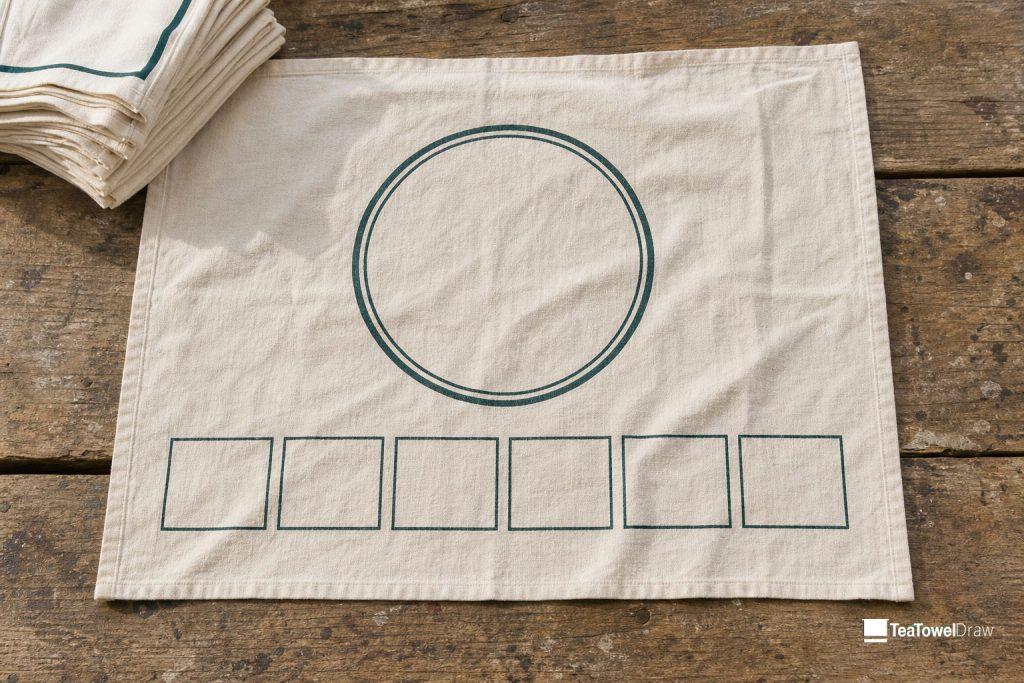
Put a row of their logos along the bottom of the tea towel and charge for the space.
At $150 a logo, six sponsors raise $900. A run of 100 towels costs $800 printed and delivered.
The print bill is paid before a single towel is sold, and everything after that is clear.
| No sponsors | Six sponsors at $150 | |
|---|---|---|
| Raised before selling | $0 | $900 |
| Print bill (100 towels) | $800 | Covered, $100 over |
| Sell all 100 at $15 | $700 profit | $1,500 profit |
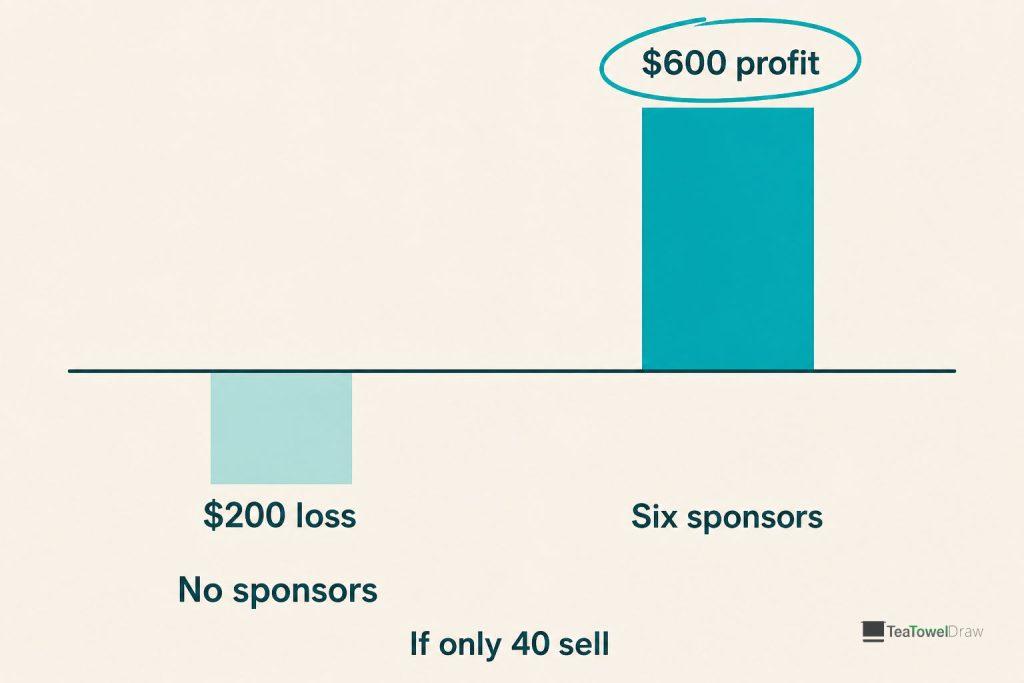
| Sell only 40 | $200 loss | $600 profit |
The last row is what you take to your committee. Without sponsors, a club that misjudges sales volume will lose money.
With the bill already covered, a disappointing sales season will still make money for the club.
The sponsor fee is yours to set. $150 is roughly what a small local business already pays for a season of fence signage, which makes it an easy number for them to say yes to.
Six logos fit comfortably across the bottom of a towel at the print size available.
Both downsides are worth naming before you commit. Chasing six sponsors is real work, and it usually lands on one person.
And a tea towel with advertising is a different object from a clean commemorative one, so some members may want it without.
Need it in Bulk? Get 150 White Cotton Tea Towels printed from $6.31+GST each
(Get a Quote)
Give It a Date Worth Keeping
The other reason club fundraisers underperform is that the tea towel has nothing on it that anyone wants.
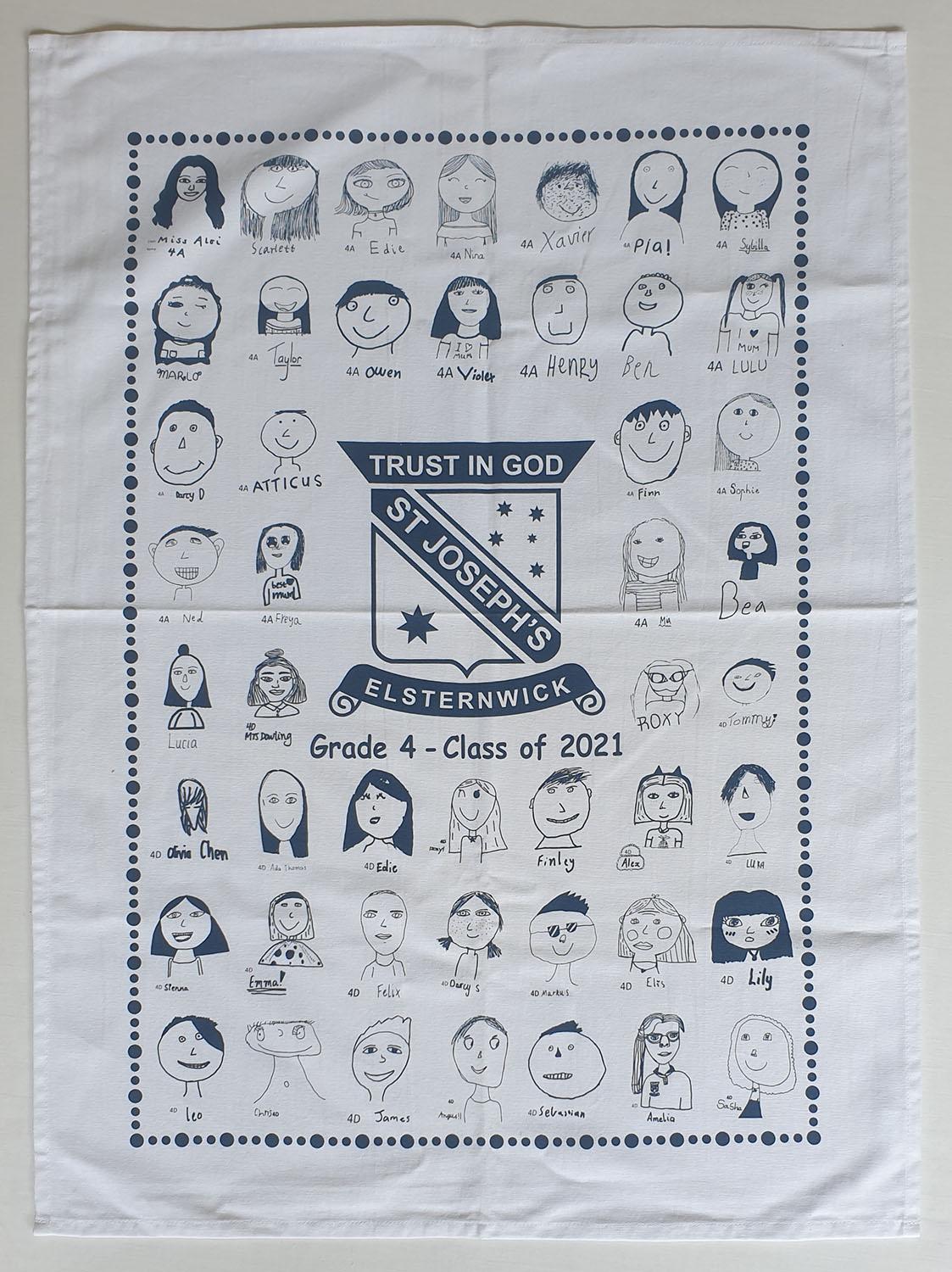
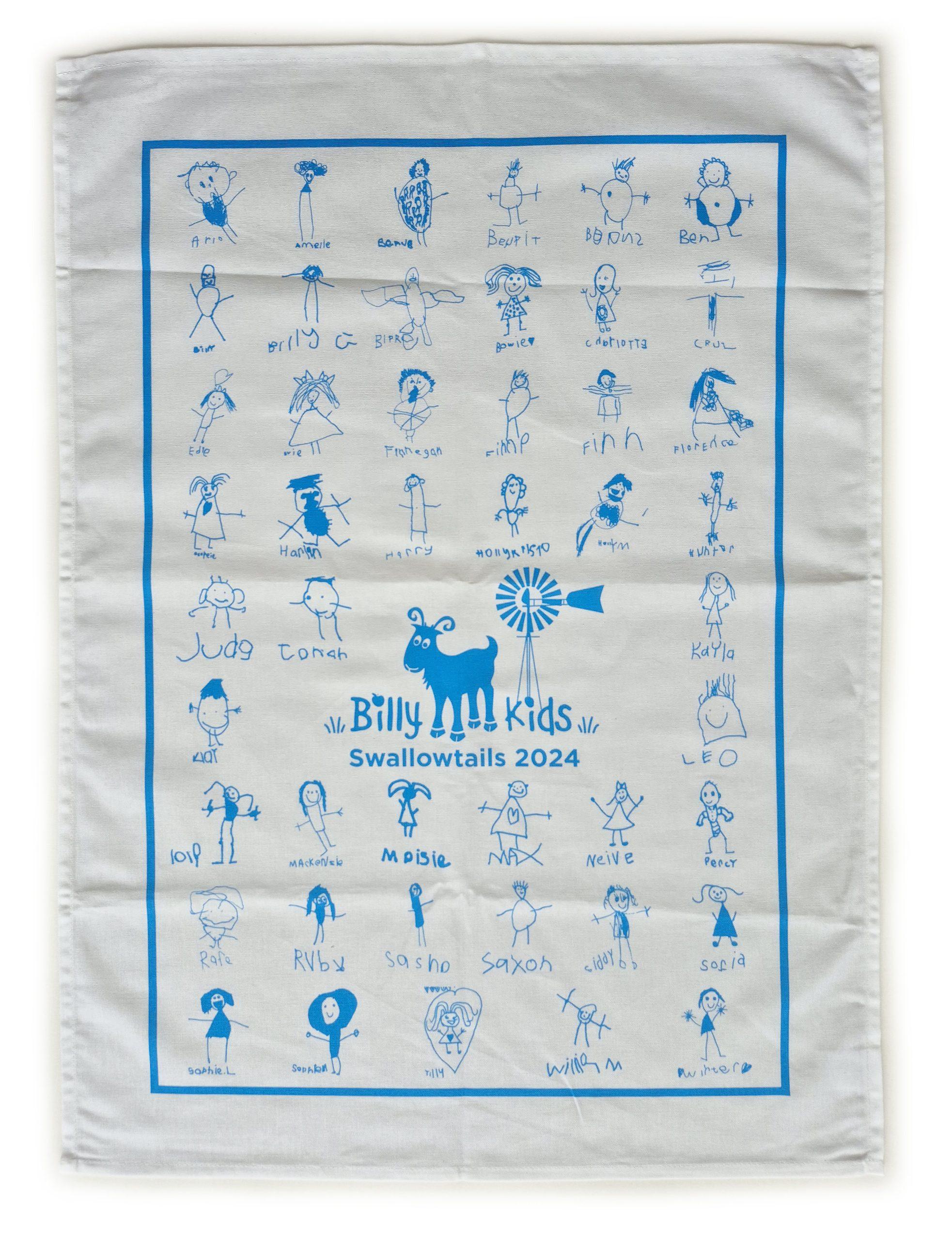
Everyone’s drawings work for a primary school because they belong to somebody’s child. In a club, they’re a craft activity, and the tea towel usually ends up in a drawer.
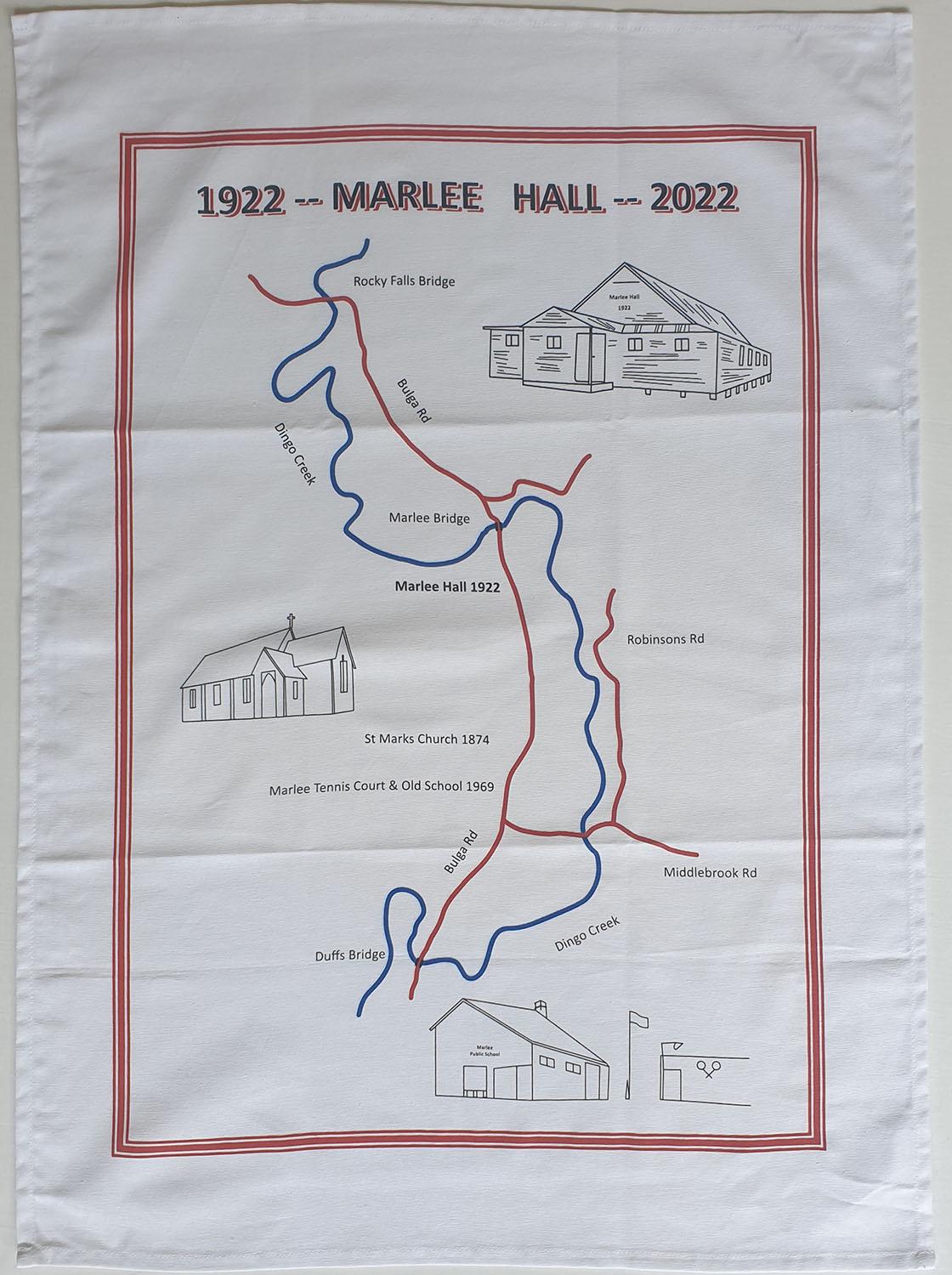
What sells in an organisation is a milestone. Something that happened, with the year on it:
- A premiership or a grand final side, with the names
- A fiftieth season, or whatever number you’re up to
- The last year at the old ground before the move
- A life member’s retirement, or a memorial for someone the group lost
- The full membership list for the year, set as type
Those get bought in twos and threes, one to use and one to keep, and they get bought by people who left a decade ago and still read the newsletter.
That’s how a small organisation sells past its own membership.
A club logo on its own doesn’t always resonate. A club logo with 1974 to 2026 underneath it possibly does.
A Budget Your Treasurer Can Table
Committees approve things that are explained on a single page. This is that page for a 100-towel run.
Money out is $800, the print bill, payable when you order. Money in is $900 from six sponsors, collected before you order, plus $1,500 from 100 towels at $15.
Worst realistic case, you sell 40 and finish $600 ahead, because the sponsors covered the print. Best case, you sell out and finish about $1,600 ahead.
The only real risk is ordering more than your organisation can absorb, and the fix is to decide the quantity after the sponsors are confirmed rather than before.
Larger runs cost less per towel, down to $6.50 each at 150 and $5.80 at 200, so if your sponsors come in better than expected, the profits could be exponential.
The full table across every quantity, with break-even in units, is on our main fundraising page.
Running It
Confirm your sponsors first and get the money in. That decides your quantity and takes the risk out of every step after it.
Settling the design is next. Collect what you need, whether that’s a logo, a team photo, a list of names or members’ contributions; it should be enough to start the design process.
Once the artwork is finalised, we send a proof for your approval before anything is printed.
Then sell it where your people already gather. That might be a canteen and a presentation night, or it might be a monthly meeting and an AGM, depending on what sort of organisation you are.
Put samples out of the packet so people can handle the fabric, take cash and card, and have one person stay with the table. That converts far better than an order form pinned to a noticeboard.
If your group runs on a season, the presentation night is usually the best-selling opportunity of the year, and it’s worth timing this for that event.
Before You Order
You approve the artwork before the printing starts. We prepare the design, including assembling multiple contributions into one layout, and send it for approval first.
Nothing goes onto a tea towel until someone from your committee has said yes.
The inks are water-based and OEKO-TEX 100 certified, which matters on a product used to dry dishes. The towels are printed in Australia, on blanks made overseas.
Prices are shown upfront with the quantity tiers published, so your treasurer can budget from the site rather than waiting on a quote.
If you’re running this for a school or a church instead, both have their own approach and their own page: school fundraisers and church fundraisers.
For gifts, events and keepsakes rather than fundraising, see personalised tea towels.
Send your idea, a rough sketch or a finished design through the quote form and we will tell you what it costs and what it will look like.
Frequently Asked Questions
How much can a club raise with a tea towel fundraiser?
A 100-towel run costs $800 printed and delivered. Sold at $15, that returns $700. If you sell sponsor logos on the towel first, six at $150 covers the print bill and the same 100 towels return $1,500. Smaller runs cost more per towel, larger runs less, down to $5.80 each at 200.
Can we put sponsor logos on a fundraising tea towel?
Yes, and for most clubs it is the difference between a modest result and a good one. Six logos fit comfortably along the bottom within the print area. Confirm the sponsors and collect the money before you order, so the print bill is covered no matter how the selling goes.
What should a club or charity print on the towel?
Something with a date attached. A premiership side with the names, a milestone season, the last year at the old ground, a memorial, or the full membership list for the year. Milestones get bought in twos and threes and reach former members. A logo on its own does not.
How many should we order?
Decide after your sponsors are confirmed, not before. The published tiers start at 50, and some products have no minimum. Ordering more than your membership can absorb is the main way these go wrong, and the ceiling on a club fundraiser is usually your own supporter list.
Who puts the artwork together?
Our prices don’t include artwork. You can get your own artist, or we can do it for you for a small fee. Send logos, photographs, names or members’ contributions in whatever state they’re in, and we assemble them into one layout and send a proof for approval before printing.
When do we need to order for Christmas?
Orders need to be in by mid-November for Christmas delivery. Check the current cut-off on the site before promising a date to your members, and allow time to confirm sponsors and settle the design before that.
More Fundraising Tea Towels